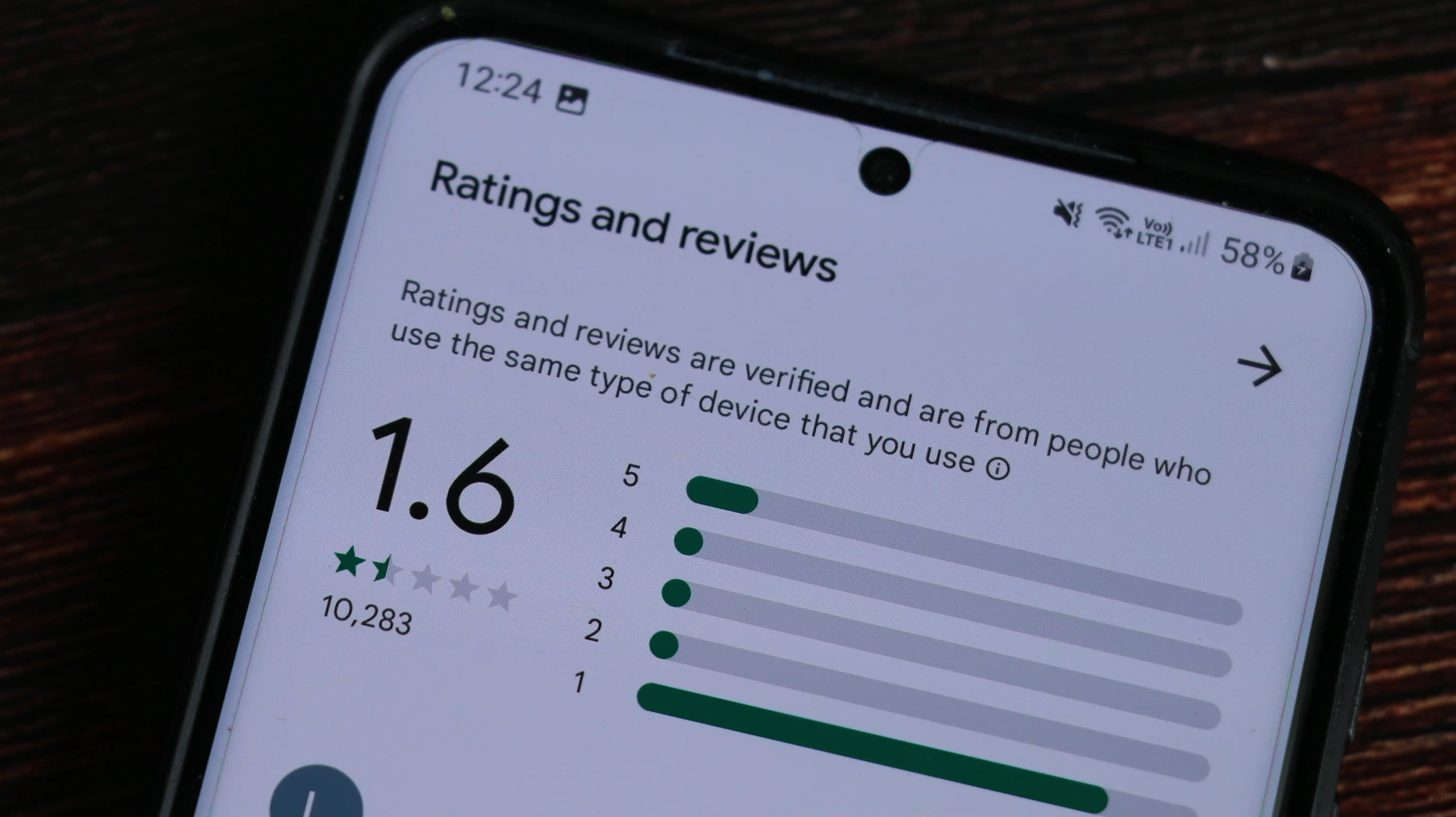
At a time when more than 90% of consumers read reviews about a business before choosing it, managing negative Google reviews well becomes imperative because they have a significant impact on the company’s reputation. When these comments turn into defamation through unfair competition or bad faith, react quickly to prevent damage to your notoriety. Here are the steps to take to deal with defamatory reviews.
What is a defamatory review and how to identify it?
Before addressing how to respond to defamatory reviews, it is important first to differentiate between a simple negative Google review and a malicious publication. The actions to take will depend on the very nature of the comment.
Definition of defamation
To protect your online reputation, you need to be familiar with the specifics of negative Google reviews and their different forms. It can be a simple review or outright defamatory comment. Defamation occurs when an allegation or imputation harms a natural or legal person. The author’s goal is deliberately to harm their target by making false accusations.
There are three types of possible defamatory reviews on Google:
- False statements : A defamatory review is confirmed when the claims are false. The author invents facts against you to damage your image. You can initiate legal proceedings once you prove the falsity of the publication.
- Personal attacks: Unlike objective criticism, disparagement appears through the use of insulting or abusive terms. These attacks deliberately target the business owner rather than the services provided. The vindictive tone clearly shows an intent to harm the company, unrelated to any real customer experience.
- No link between the review and a real experience: If the review comes from a person who never used your services, it may also be defamatory. False statements are identifiable by the absence of concrete details. Fraud is confirmed by simply checking your client database.
What Is the difference between a negative Google review and defamation?
An unhappy client has the right to share a negative review if it is based on a real experience. A defamatory review uses lies to destroy your reputation, which is illegal. To distinguish them, analyze three points :
- Are the facts true?
- Did the client really buy from you?
- Is there an intention to harm?
If the criticism is constructive, it should be accepted no matter how negative it is. For example, if the review says, “I was disappointed by the service due to a significant delivery delay,” this is not defamation but freedom of expression. However, if it says, “Dishonest company that steals clients. Avoid at all costs,” this can be considered defamation.

What to do when facing a malicious and defamatory negative Google review?
If you are a victim of harmful online publications, start by replying to the comment before initiating reporting procedures.
Step 1: Respond Immediately and Publicly
A professional’s response is the 4th most important trust factor for customers reading reviews. You should never ignore them, whether malicious or not. Your approach should be to reply promptly with a polite and factual message. Avoid excessive justification and show that you take the issue seriously.
Example of a standard response :
“Hello, customer satisfaction is our top priority. After checking our records, we found no trace of your visit on the date mentioned. To clarify this situation, could you please contact our management at [phone/email] with your reservation details? We will be happy to review your case and resolve this issue.”
Step 2 : Collect Evidence
After responding, it is recommended to contact the author to try to resolve the situation quickly. Ask for details about their supposed experience. Engaging in dialogue shows professionalism. Document your exchanges as you may need them later. If they refuse to engage, you may escalate to legal action—especially if the malicious review severely harms your business. Before that, collect as much evidence as possible: capture the reviews with URLs and publication dates. These defamatory elements must be authenticated by a bailiff. This document can then be used in court.
Step 3: Report the review to Google
A harmful review violating Google’s rules can be removed:
- Access your space : Log in to your Google Business Profile dashboard from Google search or the Google Maps app.
- Report the comment : Find the problematic review, click on the three vertical dots, then select “Report review.”
- Provide the reason : Choose the category best suited (e.g., “Conflict of interest” if it’s a competitor’s attack or “Inappropriate content / Misinformation”).
- Track progress: Use Google’s review tracking tool to monitor your request’s status.
What legal recourse is available for defamation?
Sometimes Google does not remove the review or takes time to do so. In this case, you can take legal action.
Send a formal notice
If you identify the author, you can send a formal notice demanding removal of the malicious review under threat of legal proceedings. In Europe, spreading illegal content online is punishable under the Digital Services Act (DSA). Major platforms like Google are subject to this regulation, which encourages parties in disputes to use certified Alternative Dispute Resolution (ADR) bodies.
File a complaint for public defamation
If amicable steps fail, filing a complaint becomes necessary. Note the deadline: you have only 3 months from the date the review was posted to act. To speed up proceedings, direct summons allow quick court hearings if you know the author’s identity. If published under a pseudonym, don’t worry. The Civil Procedure Code allows lifting anonymity. By court order, Google must then provide connection and identification data of the author.
Initiate emergency injunction for complex cases
To immediately stop damage, emergency injunction procedures are highly effective in urgent situations. They allow a judge to order immediate removal of an obviously illegal review. The main advantage? You get a court decision within weeks. The injunction effectively protects your revenue and business interests, with an enforceable and ultra-fast execution of the order.
Do you want help managing your online reviews? Contact GetReviews Agency. We offer an all-in-one solution to improve your online reputation easily and stress-free.